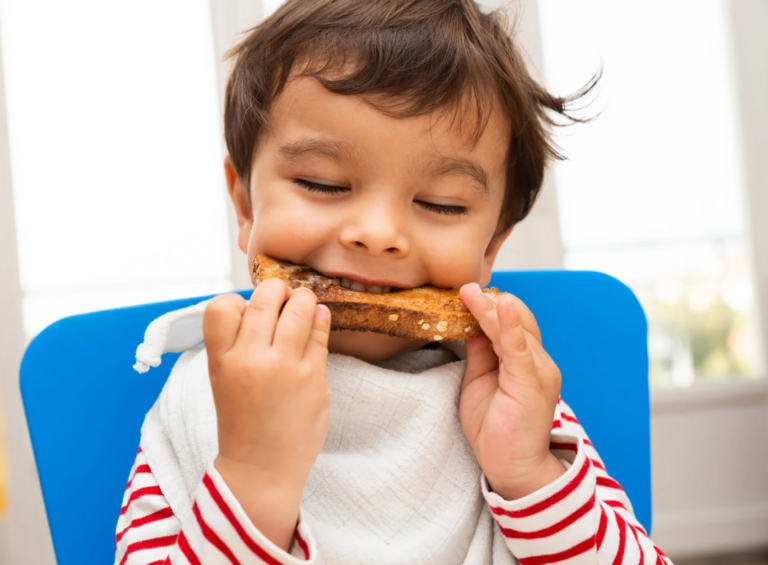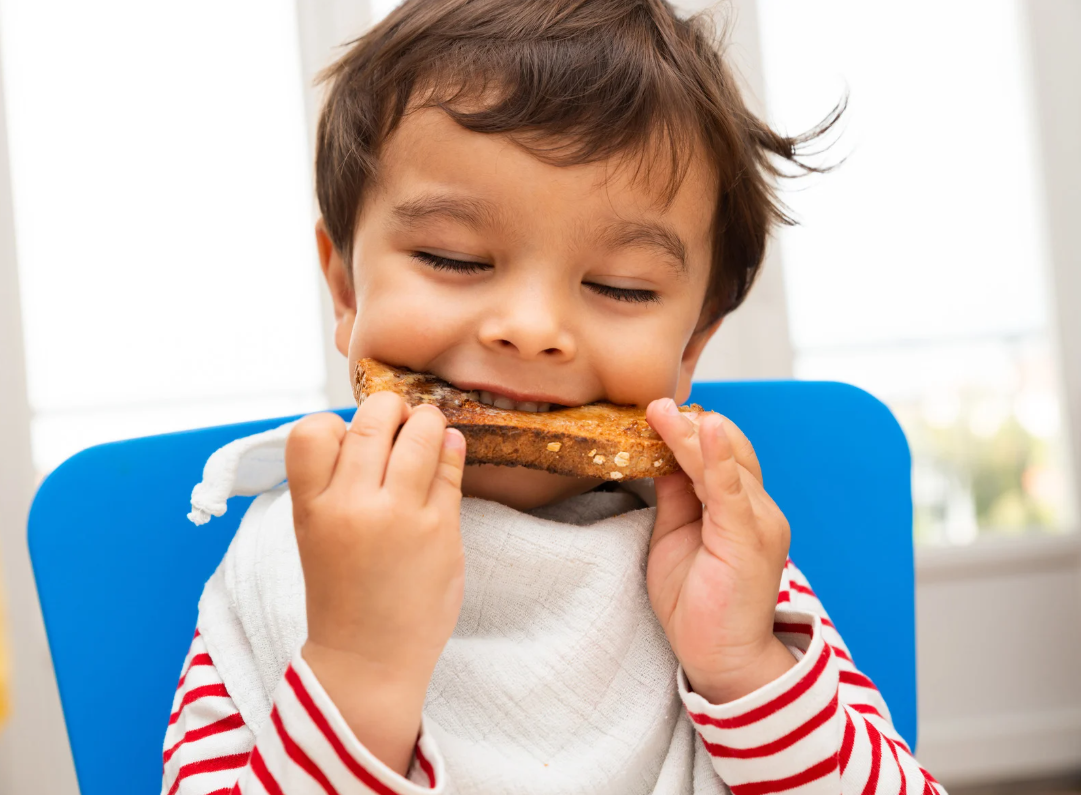
Your toddler devoured sweet potato yesterday. Today they won’t touch it. My own son ate papino for a solid week at age two, then refused it until he was five. Welcome to selective food phases, the phase that tests parental patience like nothing else. As a paediatrician in Johannesburg, I reassure parents constantly: this frustration is usually developmental, not a discipline problem. Your child isn’t being difficult; they’re learning. Understanding the difference between normal pickiness and genuine feeding problems changes how you respond.
Developmental Selectivity: What’s Normal
Between 18 months and four years, selective food phases are completely expected. Your child is doing important developmental work:
Testing boundaries. Food is one of the few places toddlers control their world. “I won’t eat that” feels powerful when so much else is decided for them. This is healthy independence, not defiance.
Food jags. Your child fixates on a particular food, wants it every meal, then suddenly refuses it. This might last days or weeks. They’re developing sensory awareness, adjusting to textures, or exerting control. It passes.
Neophobia. Your toddler is learning what’s safe and what’s scary. Food selectivity mirrors stranger danger; wariness keeps them from danger evolutionarily. Of course your home-cooked dinner isn’t poisonous, but their instincts don’t know that yet.
These phases are normal. If your child grows well, explores a variety of foods over a five-day period, and follows their growth curve, they’re learning exactly what they should be.
When Selectivity Becomes Clinical
Sometimes picky eating signals something that needs professional attention. Look for these red flags:
Shrinking variety. By 18 months, children should eat at least 20 foods. If your child’s list is getting smaller instead of larger, this warrants assessment.
Distress at mealtimes. We’re not talking about refusing a vegetable. I mean real anxiety, gagging at the sight of food, panic around eating. This impacts both nutrition and mental wellbeing.
Missing entire food groups. Protein, grains, dairy, vegetables, and fruit each provide essential nutrients. Omitting one creates nutritional gaps.
Weight or height dropping. Your Road to Health book tracks growth percentiles. A downward trend over time needs investigation; it could signal reflux, allergies, or failure to thrive.
Not progressing with textures. Eating involves 30 coordinated steps. If your child can’t move from smooth to lumpy foods or struggles to chew, they may have a mechanical problem affecting speech development too.

How to Navigate This Phase
Stay patient. Mealtimes should feel safe and positive, not like battlegrounds.
Offer variety. Different textures, colours, and smells expose your child to possibilities.
Model eating. Eat the foods you want them to try; kids learn by watching.
Don’t force it. Pressure creates anxiety around food. Let them touch, smell, or lick first.
Skip the alternatives. Offer one dinner. Don’t turn it into a game where they command the family menu. Remember, they’re testing boundaries.
Monitor your anxiety. Children associate your stress with food itself. Stay calm, and they’ll stay curious.
The Bottom Line
Eating requires skill development, just like walking or talking. Some pickiness is developmental; some signals real problems. The key is knowing your child’s individual growth pattern and noticing trends over time.
Most selective food phases pass. But if you’re concerned, don’t wait. Early intervention prevents lasting eating difficulties.
Worried about your toddler’s eating? Book a consultation at my Johannesburg practice. I’ll review your child’s growth, discuss whether this is a phase or something we need to address, and help make mealtimes enjoyable again.