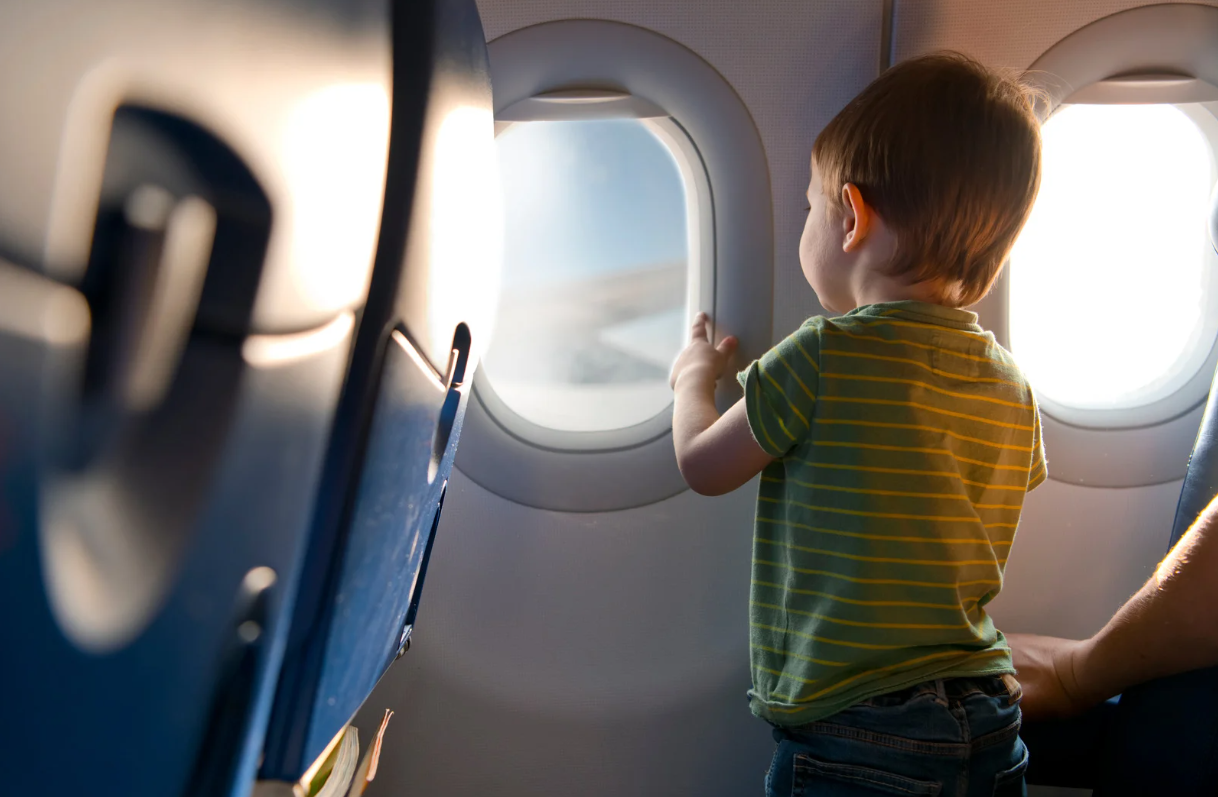
I’ll never forget landing in Durban with my one-year-old daughter. As my ears popped during descent, she started screaming, along with several other children on that flight. The ear pain in babies was unmistakable, and it lasted a full hour after we left the airport. As a paediatrician in Johannesburg, I now help parents avoid this stressful experience every holiday season.
If you’re worried about your baby’s ears during an upcoming flight, you’re not alone. Let me explain what’s happening and exactly how to help.
Why Do Babies Get Sore Ears While Flying?
The medical term is ear barotrauma (also called barotitis media or aerotitis media). When a plane descends rapidly, say, from Johannesburg to Durban in under an hour, cabin pressure changes faster than the pressure inside your baby’s middle ear can adjust.
Here’s the anatomy: the Eustachian tube is a tiny pipe connecting the middle ear (behind the eardrum) to the back of the throat. Its job is to equalise air pressure, drain fluid, and protect against infection.
In babies, these structures are still developing and often very narrow. Add a snotty nose, cold, ear infection, or swollen adenoids, and that tube fills with fluid, making pressure equalisation nearly impossible. The result? Intense pain.
Adults experience fullness, popping sounds, and discomfort. Babies? They scream.
Signs Your Baby Has Ear Pain While Flying
Watch for:
- Sudden crying during takeoff or landing
- Pulling at ears
- Arching back or turning the head side to side
- Inconsolable fussiness
- Crying that continues after landing
Simple Strategies to Relieve Ear Pain in Children
You know from experience that swallowing, yawning, or chewing gum helps your own ears. Babies can’t follow these instructions, but you can encourage the same mechanisms:
- Feed During Takeoff and Landing: Breastfeeding or bottle-feeding triggers swallowing, which opens the Eustachian tube and equalises pressure. Time feeds to coincide with descent; this is your most powerful tool.
- Use a Pacifier: The sucking motion helps ears adjust to pressure changes. If your baby takes a dummy, this is the time to use it without guilt.
- Keep Baby Upright: Hold your baby in an upright position rather than lying flat. This allows any fluid in the Eustachian tube to drain, relieving pressure naturally.
- Offer Plenty of Water (for Older Babies): Drinking and swallowing open the Eustachian tube. The dry cabin air also thickens nasal mucus, making blockages more likely; hydration helps prevent this.
- Keep Baby Awake: We swallow less frequently while sleeping, making pressure equalisation harder. Try to keep your little one awake during takeoff and landing.
- Try Breathing Exercises (Toddlers): Make it a game. Breathe in slowly, gently pinch the nose tip to slightly close nostrils, then breathe out through the nose with the mouth closed. This helps equalise ear pressure.
When to Consider Medical Help
As Dr Maraschin, I don’t recommend medicating unnecessarily, but if your child is unwell and you’re concerned about pain, discuss these options with your doctor:
Decongestant Nose Spray: One puff or drop per nostril, given 30 minutes before takeoff (and landing on flights over 4 hours). This clears mucus that might block the Eustachian tube. Use baby-specific formulations only.
Paracetamol: Dosed correctly for your child’s weight, given 30 minutes before takeoff (and landing on longer flights) to control pain and discomfort.
Antihistamines: If your baby is snotty, an infant antihistamine can dry up mucus. Give a few hours before the flight, effects usually last 8-12 hours.
Active Ear Infections: I prefer that children not fly with confirmed ear infections. The added pressure is extremely painful and can rupture the eardrum. Ask your doctor for a postponement letter if possible. If you must fly, take every precaution listed above.
When to Seek Help
Ear barotrauma usually resolves quickly without permanent damage. However, see a doctor if:
- Fussiness continues for days after landing
- You notice bleeding from the ear
- Your child develops a fever or seems unwell
In my daughter’s case, we didn’t realise she had a minor cold starting, which worsened the pressure during that sudden descent. On our return flight, we used every trick, and she slept the whole way peacefully.
Planning holiday travel with your little one? Book a consultation with our Johannesburg practice before you fly. I’ll assess your baby’s ear health and create a personalised plan to keep those flights stress-free.