Your baby seems constantly tired. They’re pale, picking at food, catching infection after infection. You might think it’s just a rough patch, but what if it’s a blood disorder in babies that’s been silently developing? Thalassaemia is an inherited condition that affects how the body produces haemoglobin, the protein that carries oxygen through red blood cells. In mild cases, you’d barely notice. In moderate to severe cases, it demands lifelong management. As a paediatrician in Johannesburg, I’ve diagnosed thalassaemia in babies whose families had no idea they were carriers. Early detection changes everything.
What Is Thalassaemia?
Thalassaemia is passed directly from parent to child through genes. Your body makes haemoglobin from alpha and beta chains. Alpha chains have four genes (two from each parent), and beta chains have two genes (one from each parent). If either parent is missing genes, which they might not even know, they become carriers.
You can carry thalassaemia genes without symptoms. You might feel slightly tired or be mildly anaemic. But if both parents carry the gene, their child can inherit a more serious form.
Who’s at Risk?
Thalassaemia is more common in families with heritage from malaria-endemic regions. These include:
- Mediterranean countries (Italy, Greece, Cyprus)
- Southeast Asia (Thailand, Vietnam, Cambodia, Malaysia)
- Middle East (Saudi Arabia, Iran, Iraq, Lebanon)
- Africa and Northern/Western India
This genetic protection evolved because thalassaemia carriers were more resistant to malaria. The irony is that while it protected populations, it created a new challenge: babies born with moderate to severe thalassaemia.
How Thalassaemia Presents in Babies
If your baby shows these signs, consider asking your doctor about thalassaemia:
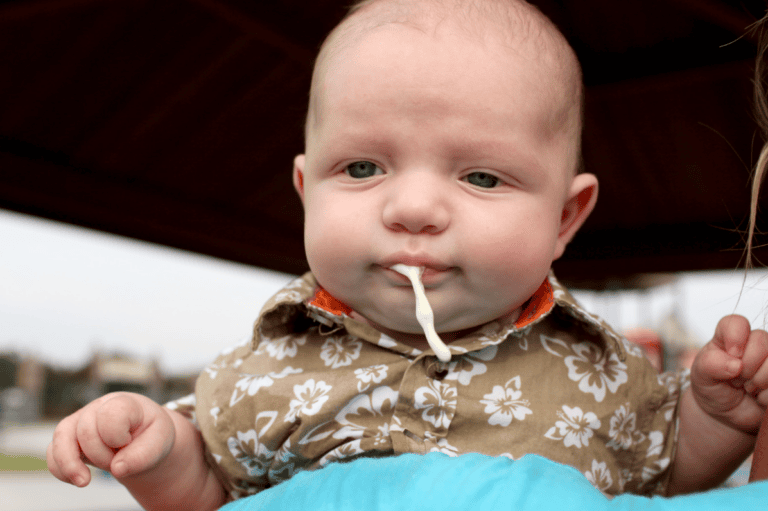
- Pale skin, lips, and inside eyelids from anaemia
- Recurrent infections when the immune system is weakened
- Enlarged spleen (palpable on examination)
- Poor feeding or slow weight gain
- Fatigue and low activity levels
Babies often appear generally unwell without an obvious cause. Parents describe them as “not thriving” or “always catching something.”
Getting a Diagnosis
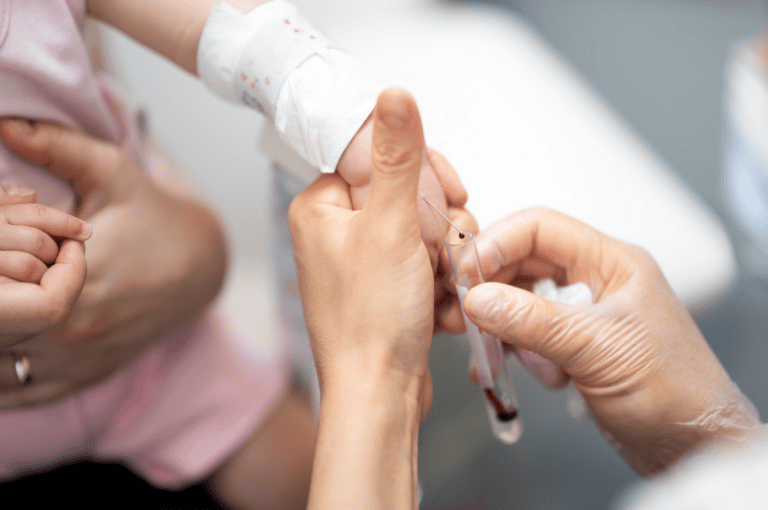
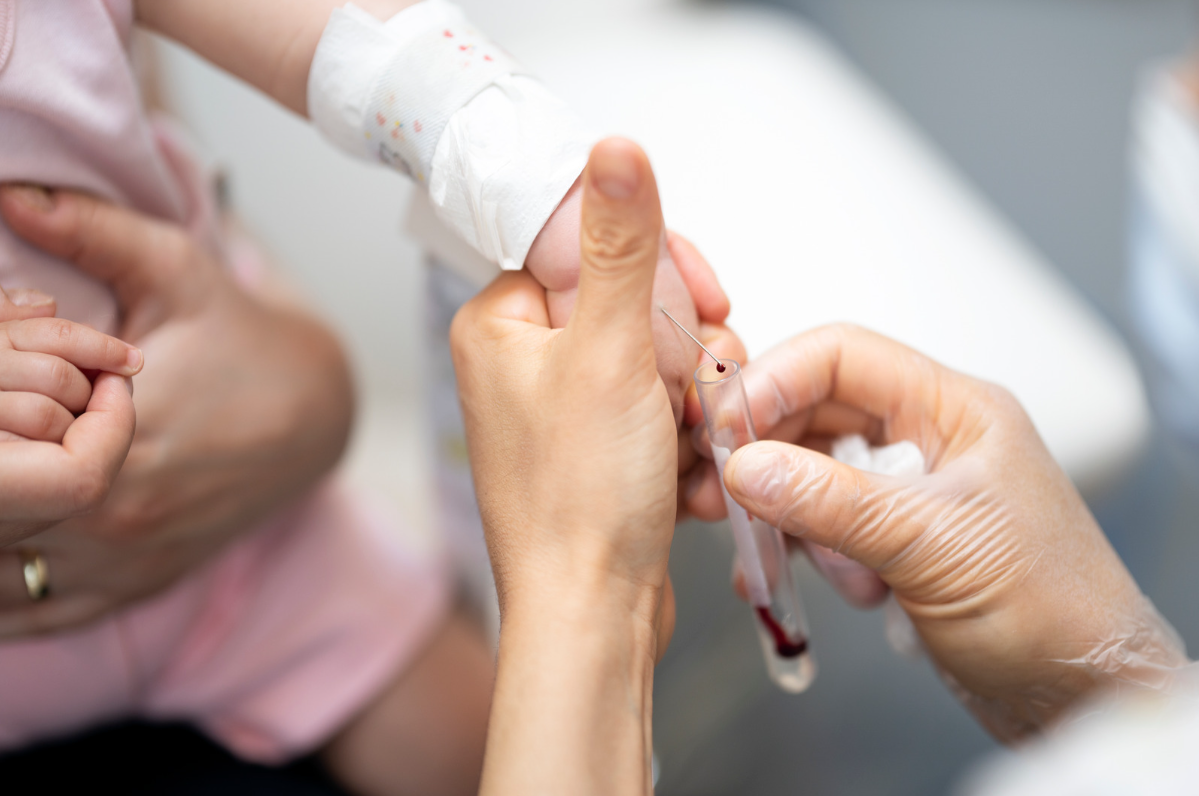
If I suspect thalassaemia, I order three key tests:
Full Blood Count (FBC): Shows whether your baby has too many or too few red blood cells
Iron Studies: Distinguishes thalassaemia from simple iron deficiency anaemia
Haemoglobin Electrophoresis: Identifies different types of haemoglobin and reveals imbalances in chains
These tests give a complete picture. Skipping diagnosis means missing treatment that could prevent serious complications like bone weakness, growth problems, or delayed puberty.
Treatment Depends on Severity
Mild thalassaemia: Often needs no treatment beyond monitoring
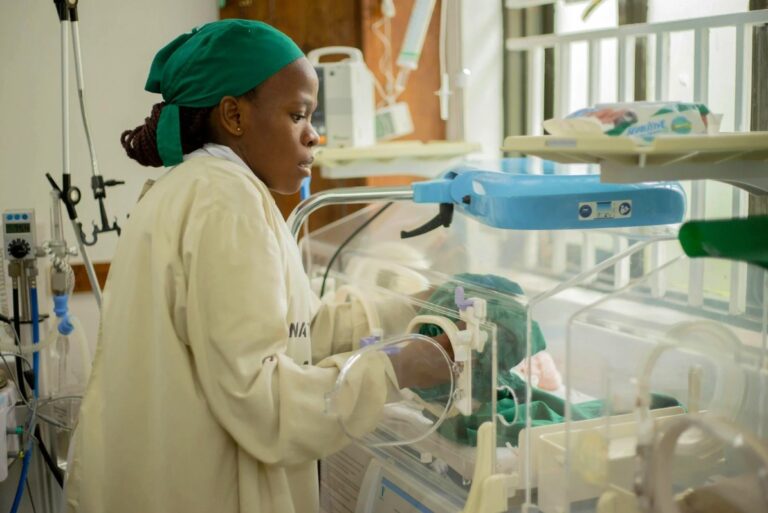
Moderate to severe thalassaemia: Requires:
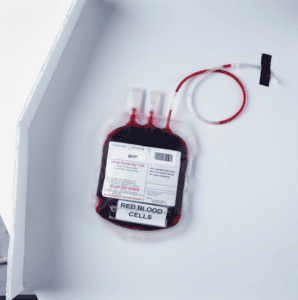
- Regular blood transfusions (frequency depends on severity)
- Chelation therapy (removes excess iron from the body)
- Folic acid supplementation (helps produce healthy red cells)
A child receiving proper treatment can live a relatively normal life. The key is early detection and consistent management.
Next Steps
If your baby shows signs of this blood disorder, don’t delay investigation. Thalassaemia responds well to treatment when caught early, but untreated cases lead to serious complications.
Worried your baby might have thalassaemia? Book a consultation at my Johannesburg practice. I’ll assess your family history, run appropriate tests, and guide you through next steps with clear explanations and realistic expectations.