Over one million children suffer burns annually in South Africa. As a paediatrician in Johannesburg, I’ve cared for too many young patients scarred, physically and emotionally, by preventable accidents. Burn safety in children isn’t just about knowing first aid; it’s about understanding how quickly an accident can happen and what families can do to prevent tragedy. This burn awareness guide gives you the knowledge to protect your child and respond effectively if an accident occurs.
Burns vs. Scalds: What’s the Difference?
Scalds come from wet heat: hot liquids, steam, or bathwater.
Burns result from dry heat: fire, hot metals like irons, electricity, friction, or chemicals.
Both cause tissue damage and require identical treatment. Kitchen accidents (hot drinks, microwaved foods, electrical cords) and bathroom scalds are the most common injuries in young children.
Prevention: Simple Steps That Save Lives
Many parents focus on obvious safety tips, turning pot handles inward, tucking appliance cords away. But these lesser-known precautions are equally critical:
Set Your Geyser to 49°C
Your water heater thermostat is your first line of defence. In America, hot tap water causes 1,500 hospital admissions and 100 deaths yearly. A child can suffer serious burns in just 5 seconds at 60°C. Set it correctly, and this danger disappears.
Never Carry Hot Liquids While Holding a Child
One quick movement and scalding liquid spills. Coffee at 79°C requires only two seconds of contact to cause surgery-level burns.
Create a 1-Meter “No Play Zone”
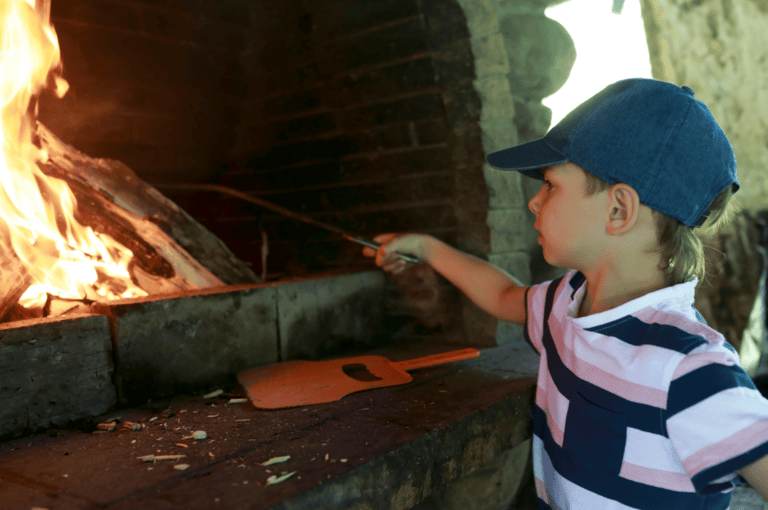
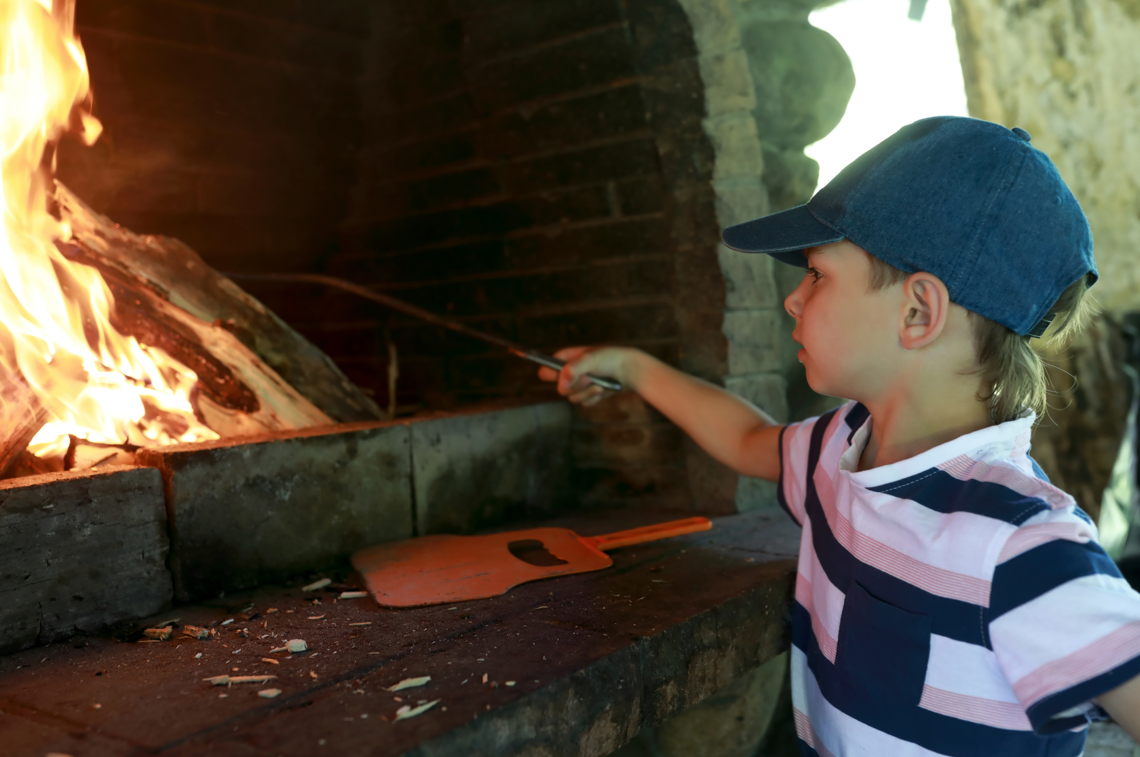
Children must stay clear of stoves, ovens, and braais. That one-meter boundary prevents curious hands from reaching dangerous heat sources.
Microwave Safety Matters
Steam builds dangerously inside heated containers. If your little helper lifts the lid, a steam burn follows. Avoid microwaving bottles, they heat unevenly and create dangerous hot spots.
An Accident Happens: The 6 C’s for First Aid
Clothing
Remove any fabric from the burned area immediately. This stops heat from being trapped and prevents restricted blood flow if swelling occurs.
Cooling
Run cool or lukewarm water over the burn for 10-20 minutes, never use ice, which causes further tissue damage.
Cleaning
If debris is present, gently dab with mild soapy water. Don’t scrub.
Chemoprophylaxis
Apply cooling cream, burn packs, or aloe vera gel. These protect while cooling the wound.
Cover
Use cling wrap if bandages aren’t available. It prevents infection without sticking to the skin.
Comfort
Give paracetamol or ibuprofen immediately. Burn pain is extreme and requires urgent relief.
Critical Don’ts
- Don’t remove clothing stuck to skin
- Avoid breaking blisters, they protect underlying tissue
- Never apply butter, oil, turmeric, or toothpaste (these trap heat and increase infection risk)
- Don’t use adhesive bandages, cotton wool, or fluffy materials (they stick and damage healing skin)
The Psychological Impact Is Real
Burns heal, but trauma lingers. Children who’ve experienced serious burns face increased risk of anxiety, depression, and post-traumatic stress. Parents often carry guilt that affects the whole family.
Preparation transforms crisis response. Keep an emergency box with burn packs, phone numbers accessible to all caregivers, and ensure everyone knows basic first aid. After immediate treatment, always have a medical professional assess your child to prevent complications like infection, slow healing, or disfigurement.
Life can change in seconds. Your preparedness and quick response can mean the difference between a minor injury and lifelong scarring.
Is your family prepared for emergencies? Book a consultation at my Johannesburg practice. As a paediatrician, I can review your home safety, discuss age-appropriate prevention, and ensure you’re equipped to handle childhood injuries with confidence.